Show Notes
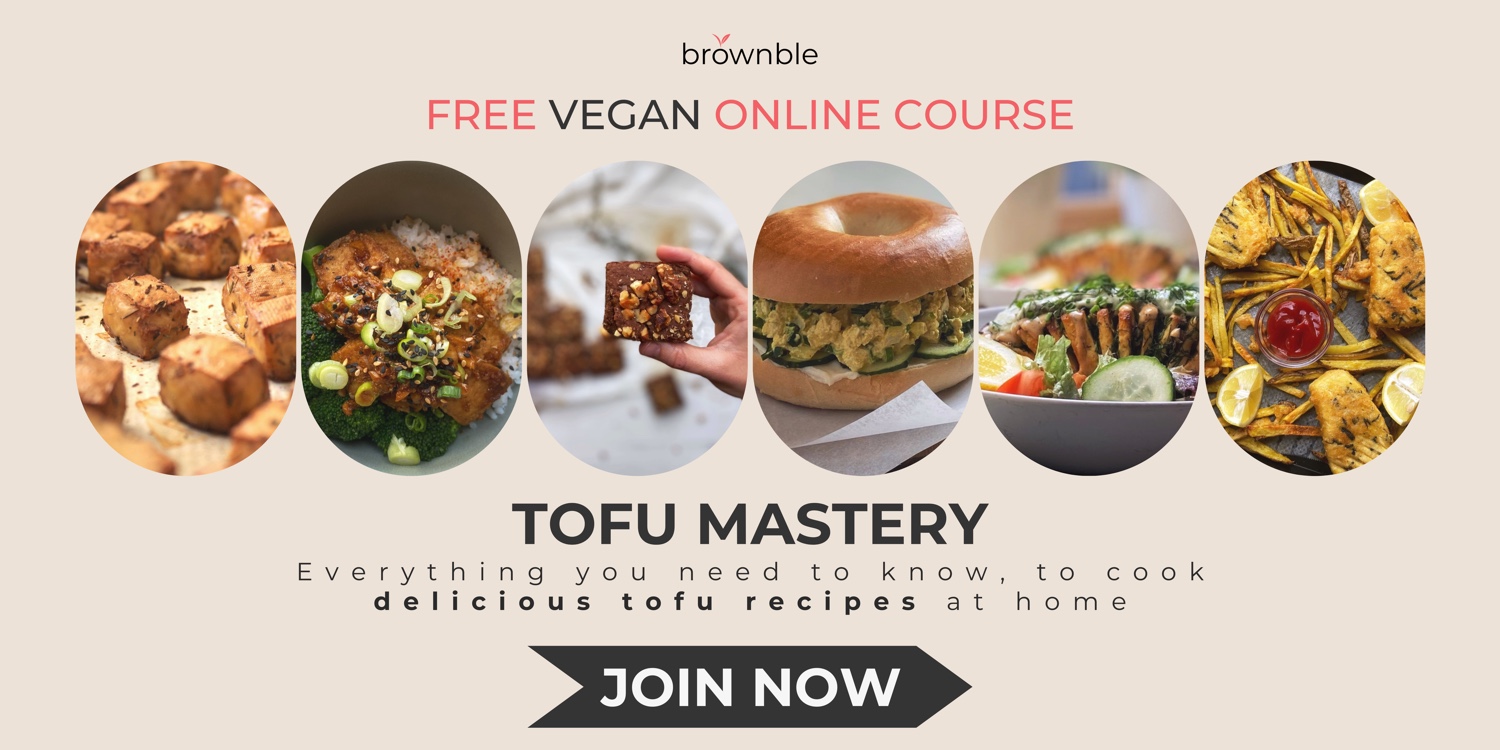
Enroll in our FREE online tofu cooking course Tofu Mastery and learn all the techniques and recipes for cooking delicious tofu at home
Come meet our online vegan cooking school with a fully structured path of vegan culinary training, recipes, online courses and more to help you on your plant-based journey
Looking for a perfect egg free and vegan mayonnaise recipe? Here's the link to our video!
What connects a Spanish tapa, a Russian New Year’s classic and one of the essential dishes of Venezuelan Christmas?
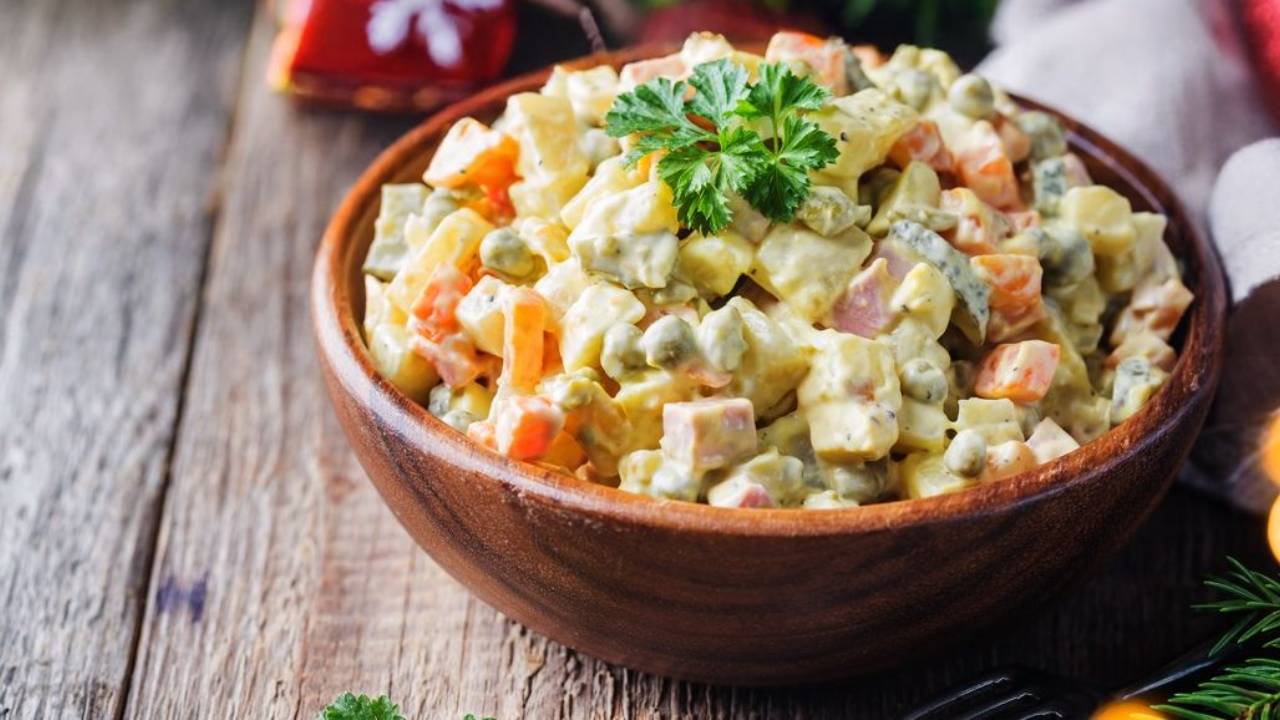
If you've ever wondered, what is the difference between Spain’s ensaladilla rusa, Russian Olivier salad and Venezuelan ensalada de gallina, in this episode of More Plants, we explore the shared family tree of three traditional potato-and-mayonnaise salads. Spanish ensaladilla rusa, Russian Olivier salad and Venezuelan ensalada de gallina belong to the same broad family of chilled salads made with cooked potatoes and vegetables bound with mayonnaise, but they are not identical. Spanish ensaladilla commonly includes potato, carrot, peas, mayonnaise and often tuna or egg, olives and pimiento de piquillo as decoration; modern Russian Olivier typically adds pickles and meat or sausage; Venezuelan ensalada de gallina adds shredded poultry, mustard and other family-specific ingredients. All three can be made vegan with egg-free mayonnaise and plant-based proteins, but there's so much more to say about these mayonnaise bound salads.
The history is not as simple as the familiar story that Lucien Olivier invented Russian salad in Moscow. Recipes called “Russian salad” appeared in European cookbooks before Olivier created his version at the Hermitage, and a version was already documented in Spain by 1857 or 1858. Olivier’s famous luxury salad was enormously influential, but it was one branch of an older tradition of composed salads made with cooked vegetables, and mayonnaise.
We also travel to Venezuela, where ensalada de gallina became a treasured part of the Christmas table. A Venezuelan recipe collection from 1938 records it as a festive dish, and later landmark cookbooks include potatoes and hen at its centre. Its exact path into Venezuelan cuisine is not fully documented, but generations of cooks made it distinctly their own.
All three recipes can easily be turned plant-based, and there's a reason why I chose this potato salad family tree as a topic for today's episode. It isn't only vegans who transform dishes and swap out ingredients. The transformation of traditional foods has been happening for centuries. It's a part of history. A part of change.
In the episode, you’ll learn:
- Why “Russian salad” existed before Lucien Olivier’s famous Moscow version
- How Olivier salad changed from a luxury restaurant dish into an accessible celebration food
- How Spanish ensaladilla became a tapas-bar classic
- What distinguishes ensaladilla rusa, Olivier salad and Venezuelan ensalada de gallina
- How to replace tuna, egg, mayonnaise, sausage and chicken in plant-based versions
- Which vegan proteins work best for the shredded texture of gallina (hen) or the chicken most families use in this Venezuelan classic
- How related salads appear across Europe, the Middle East, Asia and Latin America
- The cooking details that prevent a creamy potato salad from becoming watery, bland or heavy
Tune in by clicking play above and dive right in.
🧑🍳
You might also like...
Our Online Cooking School and Courses
Don't miss our weekly goodies!
Our best FREE content straight to your inbox